
If you’ve ever Googled “where to stay in Kuala Lumpur,” you’ve probably been hit with the same two words over and over: Bukit Bintang.
It’s the Golden Triangle. The Times Square of Malaysia. The retail belly of the beast. After spending the last few days here, I can tell you that it is all of those things—loud, bright, and utterly overwhelming. But is it good?
Here is my personal, unfiltered take on visiting Bukit Bintang, what I absolutely loved, and the stuff that made me want to scream into my pillow.
The Vibe: Electric and Exhausting
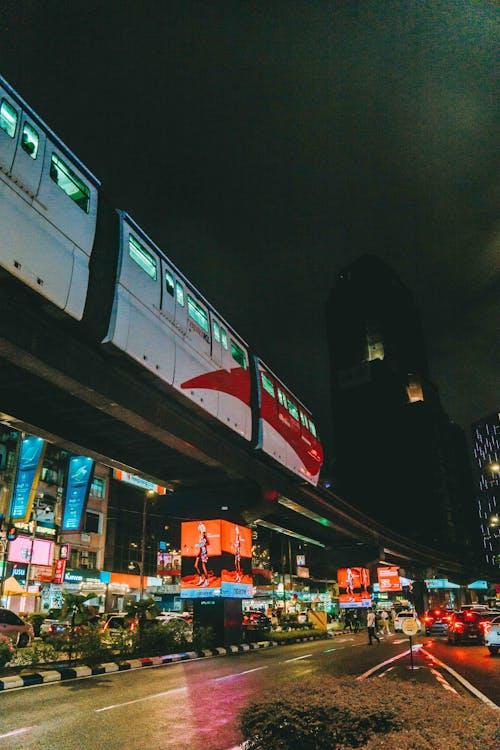
Stepping out of the MRT station at Bukit Bintang is a sensory slap in the face. It’s 2026, so the giant 3D LED billboards are crazier than ever, projecting massive spinning sneakers and cats right over the intersection.
The energy here is infectious. You have luxury travelers hauling Gucci bags, backpackers hunting for cheap beer, and locals just trying to get to dinner. It feels alive in a way that some polished city centers don’t. But, be warned: it never sleeps. If you book a hotel right on Changkat or Jalan Alor, bring earplugs. The bass from the clubs doesn’t stop until 4 AM.
Bukit Bintang at night is a sensory blitz that feels like the city’s heart is beating just a little too fast, and I absolutely love it for that. When you step onto the main crossing, you’re hit with a wall of neon light from the massive 3D billboards and the hum of a thousand different lives crossing paths at once. It’s where “Bukit Bintang’s Got Talent” happens every single night; you’ll hear a busker pouring their soul into a Mandopop ballad on one corner, only to have it drowned out seconds later by the bass thumping from a modified car or the distant roar of the Monorail overhead.
If you follow the scent of charred meat and durian, you’ll end up in the beautiful chaos of Jalan Alor, where the plastic-stool-and-beer-bucket vibe is the ultimate equalizer for tourists and locals alike. But then, just a street away at Changkat, the energy shifts into something slicker—all clinking cocktail glasses, colonial-style bars, and a crowd that’s dressed to be seen. It’s a place of wild contrasts where luxury malls sit right next to gritty massage parlours, and somehow, the humidity and the noise make the whole experience feel like a fever dream you don’t want to wake up from.
What I Loved (The Good Stuff)
1. The “Air-Conditioned Highway”
This is my number one hack for anyone visiting. There is an elevated, air-conditioned pedestrian walkway that connects Pavilion Mall (in Bukit Bintang) all the way to the Petronas Towers (KLCC).
- Why it rules: Kuala Lumpur is hot. Like, “sweat-through-your-shirt-in-5-minutes” hot. This walkway lets you skip the traffic lights and the humidity. It takes about 15 minutes to walk from the chaos of Bukit Bintang to the park at KLCC, and you arrive dry and cool.
2. Lot 10 Hutong > Jalan Alor
Okay, this might be controversial. Everyone tells you to go to Jalan Alor for street food. And sure, you should go once for the photos and the vibe (and the chicken wings at Wong Ah Wah—those are legit).
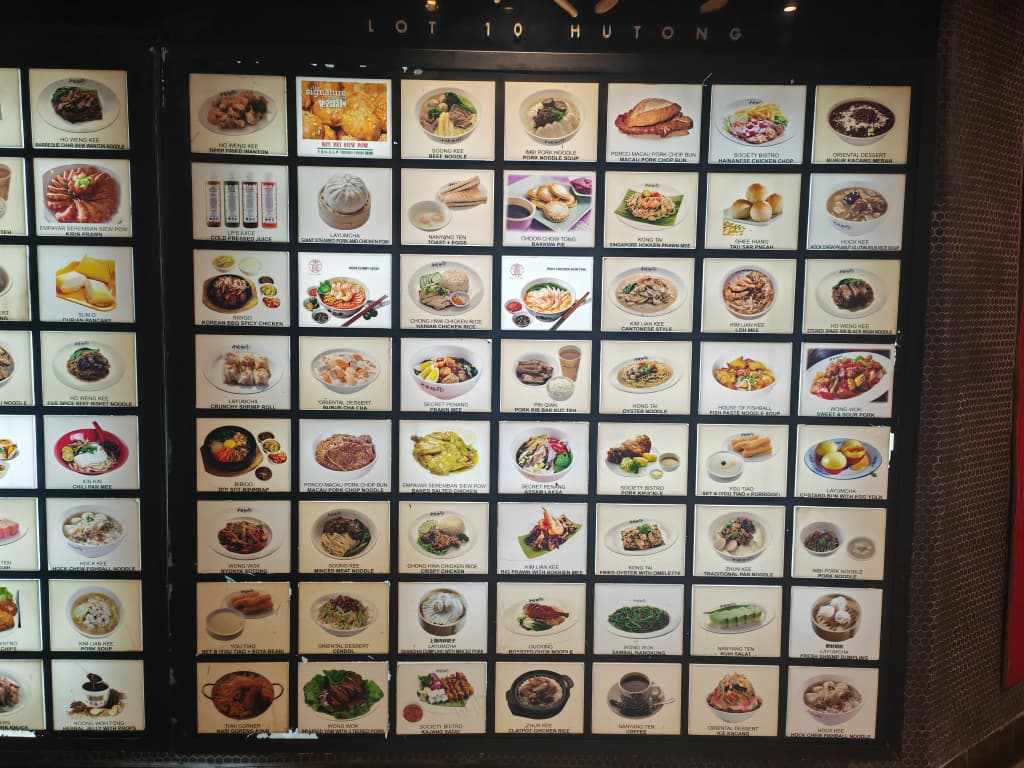
- But the real winner? The basement of the Lot 10 mall. It’s called Lot 10 Hutong. It’s a food court, but it’s curated with heritage hawkers who have been famous in KL for decades. You get the charred Hokkien Mee (thick noodles in dark soy sauce) and icy Cendol without sweating on a plastic stool next to a drain. It’s cleaner, cooler, and the food is arguably better.
If Bukit Bintang’s streets are a loud, neon-soaked rock concert, Lot 10 Hutong is like the “Greatest Hits” vinyl playing in a cool, dimly lit basement lounge. Descending that escalator feels like entering a delicious, climate-controlled maze where the city’s most legendary hawker families—the ones who’ve been frying noodles for three generations—have finally been convinced to come indoors. It’s got this beautifully curated “heritage village” vibe, all dark wood and narrow, winding paths that make you feel like you’ve stumbled into a secret bunker for foodies.
You’ll catch the smoky, charcoal-fired scent of Kim Lian Kee’s Hokkien Mee competing with the peppery steam from Soong Kee’s beef balls, and honestly, the hardest part of the night isn’t finding a seat—it’s resisting the urge to order something from every single stall. It’s the perfect, air-conditioned refuge when the humidity outside starts to bite, offering all the “wok hei” (to quote Uncle Roger) of a grit-and-grime street market but with the luxury of not having to wipe sweat off your forehead between bites.
Never mind the poor Google Maps reviews: The noodles served at Kim Lian Kee’s is as good as the rest of the best Hokkien noodles in Malaysia. The price for a plate, is however on the higher side, at almost RM 20 per plate (hence the poor reviews I suspect). But its location in the city center means at the very least you won’t have to waste time to venture out too far to find a good plate of Hokkien noodles.
Lot 10 Hutong & Isetan
If you only have one meal in Bukit Bintang, drag yourself to Lot 10. This mall is unique because it houses two completely different culinary worlds under one roof, and honestly, both are world-class.

First, head to the basement for Lot 10 Hutong. It feels like a culinary bunker designed for serious eaters. This isn’t your standard “mall food court” with generic chains; it is a curated collection of Malaysia’s most legendary hawker stalls, all hand-picked to set up shop here. You can hop from stall to stall grabbing the famous Kim Lian Kee charcoal-fried Hokkien Mee (a dark, sticky noodle masterpiece) or Soong Kee’s iconic beef ball noodles without driving across the city.

- The Pricing Verdict: Is it cheap? No, not by local street standards. You’re paying a “comfort tax” for the air-conditioning and hygiene, so expect to pay RM15–RM25 for a dish that might be RM10 on the roadside. But is it a tourist trap? Absolutely not. The flavors are authentic, the heritage is real, and the convenience is unbeatable.
But here is the plot twist: once you’re full of local spice, walk over to Isetan The Japan Store in the same building. It is arguably the best Japanese department store outside of Japan. The lower ground food market is immaculate—think pristine rows of sushi, A5 Wagyu beef skewers, and matcha desserts that are almost too pretty to eat. It is so high-quality that you will literally see Japanese tourists eating here, which is the ultimate seal of approval. It’s the perfect place to grab a premium bento box if you want a break from the spicy local fare.
3. The Shopping Variety
I love that you can walk out of Pavilion, which is full of Prada and Hermes, cross the street, and enter Sungei Wang Plaza, which looks like it hasn’t changed since 1998. Sungei Wang is a maze of cheap t-shirts, tattoo parlors, and hair salons. The contrast is hilarious and awesome. You can blow your budget or save it, all within one block.
4. Durians near Jalan Alor
The durian scene near Bukit Bintang is basically the final boss of sensory experiences in KL, and you’ll likely smell it long before you see the neon-lit “Dury Dury” sign or the stacked crates on Jalan Alor. It’s this wild, high-energy ritual where you sit on a plastic stool under a cloud of heavy, custard-like aroma, watching vendors masterfully whack open husks with machetes like they’re performing a street-side surgery.
If you’re a first-timer, you might go for the creamy D24, but if you want to understand the hype, you have to shell out for the Musang King (D197) or the legendary Black Thorn—they’re basically the Ferraris of the fruit world, with a bittersweet, buttery intensity that makes your brain short-circuit. There’s something bizarrely charming about eating this “stinky” luxury fruit while surrounded by the chaos of moving crowds and glowing 3D billboards, especially when you’re given a pair of plastic gloves to keep your fingers from smelling like a delicious onion-custard hybrid for the next three days.
If you’re a true durian devotee or traveling with a group of friends or family, the prices of Durian in Bukit Bintang can definitely make your wallet sting, so I’d highly recommend taking a little detour out of the city centre to the neighbouring towns. You’re looking at prices that are easily 30%—and sometimes a massive 50%—cheaper than the tourist hubs, which is a total game-changer when you’re used to dropping RM 200 per person on a single session. Venturing out to spots like SS2 in Petaling Jaya (cheaper than KL but still quite expensive) or even Cheras or Sri Petaling or Subang Jaya doesn’t just save you a small fortune; you often find even better quality fruit because these are the places where the local connoisseurs actually go to feast. It’s a bit of a trek, sure, but when you’re tucking into a top-tier Musang King at nearly half the price, the Grab ride pays for itself in the first bite—plus, you get that authentic, local vibe that you just can’t find under the neon lights of the Golden Triangle.
Just a heads-up: your Grab driver definitely won’t appreciate that “lingering” durian perfume in their car, and they might even give you a polite (or not-so-polite) look as you climb in with your takeaway box. Since the smell can stick around for days and literally affect their livelihood for the next few trips, it’s always a classy move to make it up to them with a generous tip. It’s a small price to pay for the transport to a nearby town, and it usually turns a potentially awkward ride into a friendly exchange—especially if you acknowledge the “fragrance” with a laugh and a bit of extra cash for their trouble.
What I Disliked (The Reality Check)
1. The Traffic is a Nightmare
Do not, I repeat, DO NOT try to take a Grab/Taxi into Bukit Bintang at 6 PM on a Saturday. You will sit in the car for 40 minutes to move 500 meters. The gridlock is soul-crushing.
- The Fix: Use the Monorail or MRT. The trains are crowded, but at least they move. If you must take a car, walk 10 minutes away from the main Pavilion entrance before booking it.
2. The “Taxi Mafia”
Speaking of cars, the unmetered taxis parked outside the malls are a trap. They will quote you RM50 for a ride that should cost RM10 on the meter.
- My experience: I asked a driver how much to go to KL Sentral (usually a short ride). He smirked and said “RM40, traffic bad.” I walked away, booked a Grab for RM11, and waited 5 minutes. Never get in a taxi unless they agree to use the meter (which they rarely do in this area).
3. The “Massage” Touts
Walking down Changkat Bukit Bintang, you will be pestered every 10 meters. “Sir, massage? Handsome, massage?” It gets annoying very fast. It’s harmless, but having to say “No, thank you” fifty times during a 10-minute walk drains your social battery.
The Verdict
Would I stay in Bukit Bintang again? Yes, but with conditions.
I wouldn’t stay right on the main strip. I’d pick a hotel about 5-10 minutes walking distance away (maybe toward the Kia Peng area or Imbi) so I can sleep in peace but still walk to the action. The Hotel Damai or Lloyd’s Inn near TRX sound like great options that fit these requirements.
Malaysia, generally? I’m in love. The people are incredibly warm—once you get past the touts. I had a random uncle at a bus stop explain the entire history of Nasi Lemak to me just because I asked him if the bus was coming.
TL;DR:
- Come for: The food, the shopping, the sheer energy.
- Watch out for: The humidity, the traffic jams, and the taxi sharks.
- Don’t leave without: Eating the durian puffs at Taste of Asia (if you’re brave) or at least a Ramly Burger from a roadside stall.
Happy travels!
Side note:
While it’s not legally mandatory to have travel insurance to clear immigration as a standard tourist in 2026, traveling without it is a bit like riding a motorbike through a tropical downpour—you might make it to the other side, but you’re likely going to get soaked. Malaysia’s free public healthcare is great for locals, but as a visitor, you’ll mostly be looking at private clinics and hospitals which, while world-class, come with a price tag that can turn a minor stomach bug or a sprained ankle into a major financial headache. Beyond just the medical stuff, having a policy is a massive safety net for those classic “travel moments,” like your flight getting delayed by a sudden monsoon or your luggage deciding to take its own vacation to another continent. Honestly, for the peace of mind it gives you while you’re deep in a food coma at a night market or trekking through the jungle, it’s a small price to pay to ensure your trip stays a dream and doesn’t turn into a logistical nightmare.