
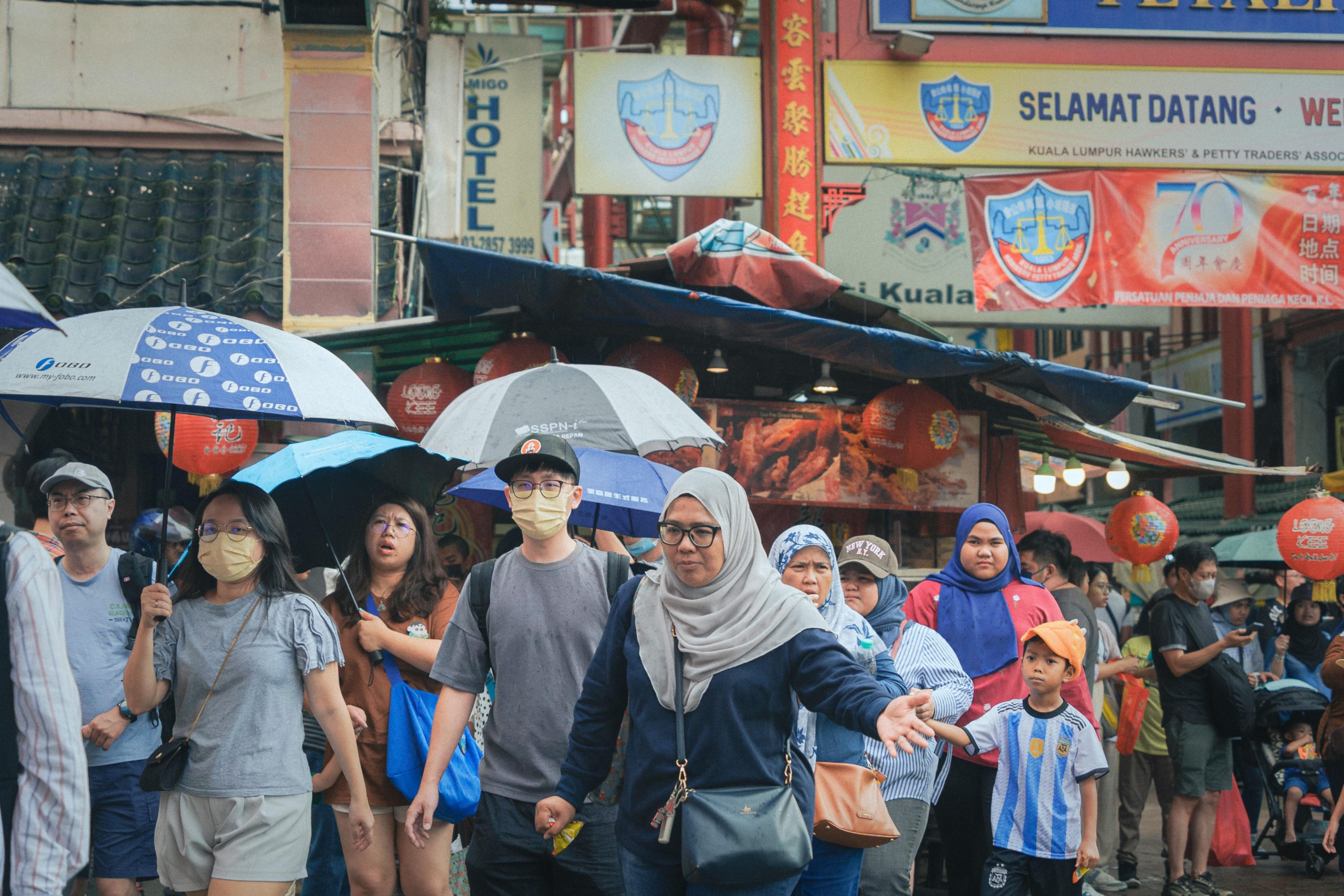
If there’s one thing travellers learn quickly about Malaysia, it’s this: rain is part of the rhythm, not a disruption. Tropical showers are usually brief, predictable and woven into daily life. Instead of cancelling plans, rainy days often invite you to slow down, linger longer and experience Malaysia in a more intimate, reflective way. In many cases, rain actually improves the experience—cooler air, fewer crowds and a calmer pace.
The best way to enjoy Malaysia is to expect rain rather than be surprised by it. Travellers who arrive knowing that showers are part of the climate tend to adapt more easily and enjoy their trip more fully. A quick check of the daily weather forecast—especially in the morning and late afternoon—can help you plan outdoor activities during drier windows and leave indoor plans for later. This small habit makes a big difference, turning rain from an inconvenience into something manageable, predictable and ultimately easy to live with.
Rainy days in Malaysia also offer something many trips quietly lack: permission to rest. Travel is often treated as a checklist of sights and activities, but rain naturally creates pauses that allow the body and mind to catch up. Afternoons spent indoors, unhurried meals, naps during the sound of rainfall, or simply sitting by a window watching the weather change can feel surprisingly restorative. In a culture that already values lingering over food and conversation, these slower moments fit naturally. Instead of feeling unproductive, taking it slow becomes part of the journey—helping travellers return home not just with photos, but feeling genuinely rested and reset.
Let Cities Slow You Down
On dry days, cities like George Town and Kuala Lumpur can feel energetic and fast-moving. Rain softens them. In Penang, drizzle against colonial shophouses turns café-hopping into a quiet pleasure—coffee tastes better when you’re not rushing. You start noticing details: faded murals, tiled floors, the sound of rain hitting zinc roofs. Instead of chasing attractions, you let the city come to you.
Malaysia’s Malls Are Built for Rain
Few countries do shopping malls like Malaysia. In Kuala Lumpur especially, rainy days feel almost irrelevant because malls are designed as social spaces, not just retail centres. You can spend half a day moving between cafés, bookstores, cinemas and restaurants without stepping outside. Locals do this instinctively—it’s not “avoiding rain,” it’s simply living normally. For travellers, this offers a comfortable, low-effort way to enjoy the city when the weather turns.
Mist Makes the Highlands Better
Rain transforms hill destinations rather than ruins them. In the Cameron Highlands, mist drifting through tea plantations creates scenes that feel cinematic and almost unreal. Walks become shorter but more meaningful. Afternoons are for warm drinks, quiet conversations and watching clouds roll past your window. Rain here encourages rest, reflection and a gentler form of travel that many people didn’t know they needed.
Rain Is an Invitation to Learn
Wet weather is the perfect excuse to step indoors and understand Malaysia beyond its landscapes. Museums and heritage buildings in places like Melaka tell stories of trade, migration and colonial influence that shaped the country. These spaces are often quieter on rainy days, giving you time to read, observe and absorb rather than rush through. Rain shifts your trip from sightseeing to understanding.
Staycations Shine on Rainy Days
Rainy weather naturally pairs with rest. Resorts, boutique hotels and staycations across Malaysia are designed to be enjoyed indoors as much as outdoors. In destinations such as Langkawi, rain doesn’t end the holiday—it changes it. Beach time becomes spa time. Sunsets are replaced with long breakfasts, slow lunches and scenic views framed by rain-washed greenery.
Food Becomes the Main Event
One of Malaysia’s greatest strengths is that rain never stops people from eating. Covered hawker centres stay busy, kopitiams remain noisy, and hot meals feel even more comforting. Rainy days are when you linger longer over noodles, soups and kopi, without guilt or schedule pressure. Some of the best food memories are made when rain gives you permission to slow down.
Why Rain Works in Malaysia
Malaysia handles rain well because it’s expected. Buildings are sheltered, walkways are covered, transport continues and daily life goes on. Unlike destinations where rain derails everything, here it simply reshapes the day. Travellers who accept this often discover that rainy days are less about missing out and more about experiencing the country the way locals do.
A Different Kind of Travel Memory
Sunny days give you photos. Rainy days give you atmosphere. They give you conversations, quiet moments and a deeper sense of place. In Malaysia, rain doesn’t take away from travel—it adds texture to it. For many travellers, those slower, softer days end up being the ones they remember most.
Another reassuring truth for travellers is that rain in Malaysia rarely lasts all day. Tropical showers tend to arrive in short, intense bursts—often in the late afternoon or evening—before clearing just as quickly as they came. Mornings are frequently bright, and even on wet days there are long dry windows to explore, eat or move between places. Once you understand this rhythm, planning becomes easier and less stressful. Instead of cancelling plans, you simply shift them slightly, knowing that sunshine often returns when you least expect it.
Rain also brings welcome relief from the tropical heat. After a downpour, cities feel noticeably cooler and fresher, with cleaner air and softer temperatures that make walking far more comfortable. Streets empty briefly, the pace slows, and once the rain passes, it often becomes the most pleasant time of day to explore. For many travellers, these cooler moments—right after the rain—are when cities feel most breathable, relaxed and enjoyable.
If you approach Malaysia with flexibility rather than a fixed checklist, you may find that a rainy day isn’t a compromise at all—but a gift.